



















Allergies, a new hypothesis: an energy failure in barrier cells may come first
Allergies may not start in the immune system, but one step earlier. That is the hypothesis of an international team led by Griffith University in Australia, published in the journal Allergy. According to the authors, the first fault may be an energy shortfall in the cells that line the skin, gut, nose, airways and oesophagus.
Background: why allergies have become so common
Eczema, food allergies, hay fever and asthma are far more common than a few decades ago. The researchers say they now affect up to one child in three. However, no single explanation accounts for such a rapid rise.
The classic model starts with the immune system. In a predisposed person, the body makes specific IgE antibodies against harmless substances, such as pollen or foods. As a result, inflammation sets in and damages the tissue barrier. The new paper instead proposes the reverse order: the barrier gives way first, and the immune system reacts afterwards.
The study: a hypothesis built on a large body of data
This is not a clinical trial. In particular, the authors pooled and reanalysed data that other groups had already published.
• They examined 116 groups of patients compared with healthy people (case-control studies), for a total of 3,776 patients
• They used “multi-omic” data, that is, combined data on active genes, proteins and other tissue molecules
• They focused on the epithelium, the layer of cells that acts as a barrier to the outside world
• Researchers from Mount Sinai, Leuven, Cork, Southampton, Zurich, Miami, Singapore and Aberdeen also took part
The main findings
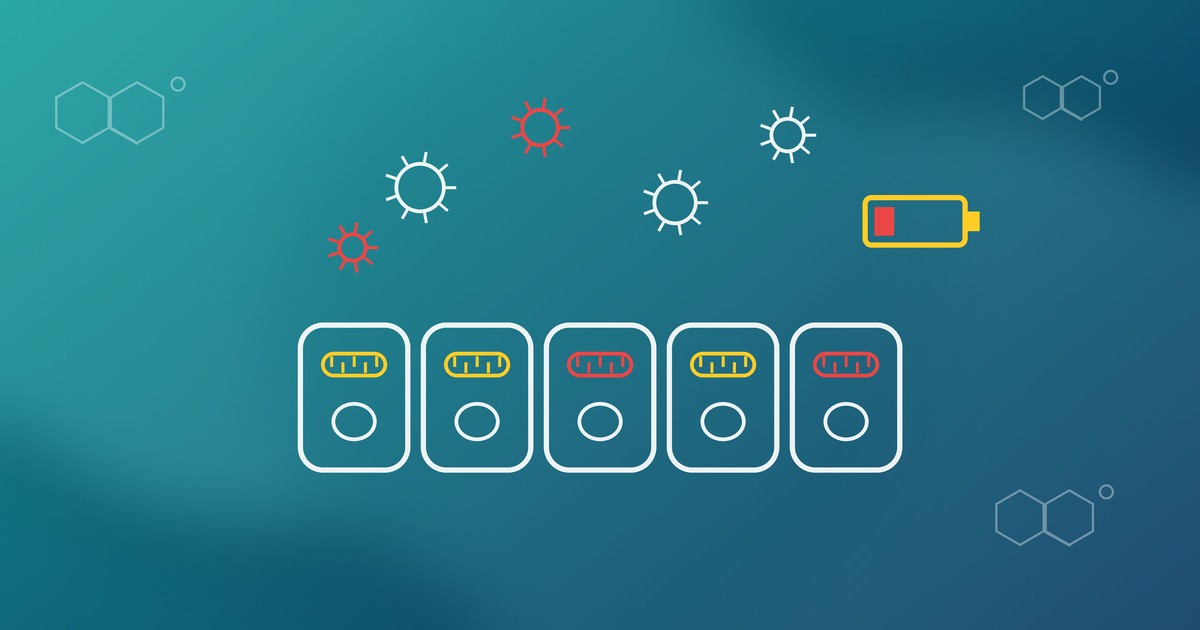
The key point concerns mitochondria, the small “power plants” inside cells. The authors argue that, in allergic disease, barrier cells cannot make enough energy to cope with the stresses of modern life. Therefore they raise the alarm too easily, and the allergic reaction follows.
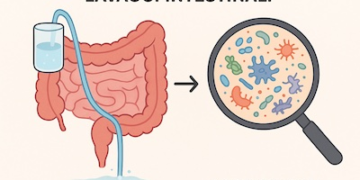
• The strongest signal came from eosinophilic oesophagitis, an allergic disease of the gullet. In all 13 independent patient cohorts, the process that clears damaged mitochondria was weaker
• In atopic dermatitis (eczema), the team found changes in the skin barrier and in antioxidant defences even in skin without inflammation
• By contrast, the signal did not appear in established asthma or nasal polyps, and it was only partly present in hay fever
The authors also suggest that many different triggers hit the same target, namely the energy supply of the barrier cell. For example: highly processed diets, pollution, microplastics, detergents, low dietary fibre and antibiotics in early life. In addition, the hypothesis could explain relapses. Once inflammation starts, in fact, it damages the barrier even further.
What it means for laboratory tests
For now, nothing changes in practice. No blood test can measure mitochondrial energy in barrier cells. Doctors still diagnose allergy from the clinical history and from validated tests.
• Total IgE (PRIST) gives a general picture of allergic tendency, but on its own it does not identify the cause
• Specific IgE (RAST) looks for sensitisation to single allergens, and doctors should always read it alongside symptoms
• Tests such as Phadiatop and the ALEX test help to screen many allergens at once
• A full blood count with differential shows eosinophils, white blood cells that often rise in allergic disease
In eosinophilic oesophagitis, instead, diagnosis requires an endoscopy with biopsies. Blood tests are not enough. Moreover, its symptoms can resemble gastro-oesophageal reflux.
Who should take note
The news matters mainly to parents of children with eczema or food allergies. It also concerns people with eosinophilic oesophagitis and the doctors who treat these conditions. In the future, protecting the barrier from the first months of life could become a prevention strategy. For now, however, it remains a hypothesis.
Limitations
• The authors themselves describe it as a hypothesis to test, not a proven mechanism
• The analysis pools previously published data, which researchers collected with different methods and in different populations
• The data show associations: they do not prove that the energy failure comes before the allergy
• The signal does not appear in every allergic disease: it is absent in established asthma and nasal polyps
• According to the authors, the next step is to measure these cells in infants before allergy develops
• The study offers no new treatment advice: current therapies should not change on the basis of this paper
In summary
• An analysis of 116 cohorts and 3,776 patients suggests that allergies may start with an energy shortfall in barrier cells
• The signal is strongest in eosinophilic oesophagitis and atopic dermatitis, and absent in established asthma
• Many different environmental triggers may act on the same target
• Allergy testing stays the same: total and specific IgE, molecular tests and full blood count
• Prospective studies, which follow children over time, must now confirm the hypothesis
Sources:
Smith P.K. et al., The origins of allergy: an outside-in, bioenergetic hypothesis, Allergy, 2026; Griffith University; News-Medical; SciTechDaily
Laboratory tests:
Rast IgE specifiche, Prist, Phadiatop, Alex Test, BAT Test, Emocromo, Allergeni
Diseases, symptoms and related pages:
Asma bronchiale, Prurito, Dermatologia, Reflusso gastroesofageo, Allergeni nascosti, Calendario dei pollini, Allergie alimentari: i pannelli di IgE “a tappeto”






Discussione su questo post