
































HIV in Italy: almost six in ten diagnoses in 2025 came too late
On 23 November 2026, Italy’s National Institute of Health (Istituto Superiore di Sanità, ISS) published its new report on HIV infection, ahead of World AIDS Day on 1 December. New cases remain stable. However, most people find out about the infection only when their immune system is already weak. So the main problem is not a lack of treatment, but a late HIV test.
Background: a treatable infection, if you find it
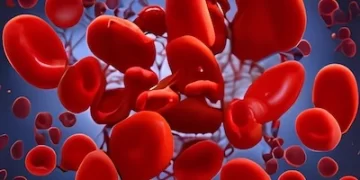
HIV (human immunodeficiency virus) attacks CD4 lymphocytes. These white blood cells coordinate the body’s defences. Without treatment, their number falls slowly over years, often with no clear symptoms. When the defences collapse, AIDS develops, the advanced stage of the disease.
Today, antiretroviral therapy keeps the virus under control. In particular, people with an undetectable viral load do not pass the virus on through sex. For this reason, an early diagnosis protects both the person and their partners.
The report: the 2025 figures
• Italy recorded 2,220 new HIV diagnoses in 2025, or 3.8 cases per 100,000 residents
• The figure is provisional: after late reports, the ISS expects about 2,370 diagnoses, in line with 2024
• Italy stays below the average for Western Europe (5.4 cases) and the European Union (5.2 cases)
• Doctors reported 432 new AIDS cases, or 0.7 per 100,000 residents
• About 150,000 people live with HIV in Italy
• Estimates suggest that in 2024 about 9,000 people did not yet know they had the infection
The findings: delay is the real problem
• 59.1% of new diagnoses came late, with fewer than 350 CD4 cells per microlitre of blood
• In 38.7% of cases, CD4 counts had already dropped below 200, a sign of severe immune damage
• Late diagnosis was more common in heterosexual men (68.3%) and heterosexual women (61.9%)
• Among people over 60, instead, the share of late diagnoses reached 70.2%
• On average, about 5 years pass between infection and diagnosis (an estimate for 2017-2025)
• Among people with a new AIDS diagnosis, 80.9% had learned of their HIV only in the previous six months
The reasons for testing also tell a story. In 40.2% of cases, people took the test because symptoms appeared. Instead, only 17.3% tested after a risky behaviour. Finally, just 12.4% found out through routine check-ups or screening.
What it means for tests and patients
The HIV test is a simple blood test. Fourth-generation tests look for anti-HIV antibodies and the p24 antigen, a viral protein, at the same time. As a result, they shorten the “window period”. This is the time after infection when the test can still read negative. However, a positive result always needs confirmation with a second test.
After diagnosis, the doctor orders a CD4 count and a viral load test (HIV-RNA). The first shows the state of the immune defences. The second, instead, shows how much virus circulates in the blood. In addition, doctors use both to track how well treatment works over time.
In practice, clinical guidance suggests offering the test in several situations:
• after a risky sexual contact or another sexually transmitted infection, for example syphilis or chlamydia
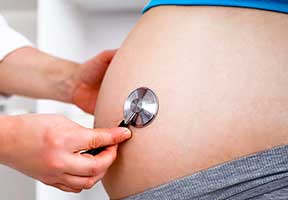
• during pregnancy, as part of the pregnancy check-up
• with hepatitis B or C, which spread in similar ways (HCV test)
• with warning signs: long-lasting fever, unexplained weight loss, repeated infections, shingles at a young age
• when a full blood count shows low white cells or platelets with no clear cause
Who should take note
The message concerns all sexually active adults, not only groups seen as “at risk”. In fact, almost one new diagnosis in two (45.7%) came from heterosexual sex. Sex between men accounted for 41.9%. Moreover, the median age at diagnosis has risen to 42, up from 37 in 2012. As a result, family doctors and emergency departments also play a key role in offering the test.
Limits of the data
• The 2025 numbers are provisional and may rise as late reports arrive
• Surveillance counts diagnoses, not infections: people who never take a test do not appear in the data
• The time from infection to diagnosis and the number of undiagnosed people come from statistical models
• The report describes trends, but it does not assess the effect of specific screening programmes
In summary
• Italy had 2,220 new HIV diagnoses in 2025, a stable figure below the European average
• 59.1% of diagnoses came late, when the immune system was already damaged
• Many people test only when symptoms appear, on average about 5 years after infection
• The test is a simple blood test: testing early means starting treatment early
Sources:
Istituto Superiore di Sanità, Centro Operativo AIDS, ISS Bulletin, November 2026 (document); Quotidiano Sanità; AGI; Mondosanità
Laboratory tests:
Anticorpi Anti-HIV, Emocromo, HCV Ultra Test, TPHA, VDRL, Anticorpi Anti Chlamydia, HBeAg Epatite B
Diseases, symptoms and related pages:
AIDS (Sindrome da Immunodeficienza Acquisita), PrEP – Profilassi Pre-Esposizione HIV, PrEP a lunga durata d’azione, Check-Up Gravidanza




Discussion about this post