









































Antimicrobial resistance: resistant Klebsiella infections up 72% in Europe, and Italy is among the worst hit
On 18 November 2026, European Antibiotic Awareness Day, the European Centre for Disease Prevention and Control (ECDC) released its 2025 data on antimicrobial resistance. The picture is worrying. Moreover, some resistant bacteria keep spreading, and Europe remains far from its 2030 targets. Italy, in particular, still reports some of the highest figures.
Background: what antimicrobial resistance means
Antimicrobial resistance happens when a bacterium survives a drug that used to kill it. As a result, infections become harder to treat. In addition, doctors have fewer drugs to choose from, especially in severe infections.
In 2023 the Council of the European Union set five targets for 2030, using 2019 as the baseline. For example, three cover bloodstream infections caused by resistant bacteria. The other two cover antibiotic use.
The news: European data for 2025
The data come from EARS-Net, the European surveillance network that collects laboratory results from 30 countries in the EU and the European Economic Area. These are the key figures:
• Carbapenem-resistant Klebsiella pneumoniae: bloodstream infections rose from 2.18 to 3.75 cases per 100,000 people between 2019 and 2025, an increase of 72%. The target, however, was a 5% fall
• Escherichia coli resistant to third-generation cephalosporins: up 16.4%, to 12.13 cases per 100,000. The target was a 10% fall
• Meticillin-resistant Staphylococcus aureus (MRSA): down 19%, in line with the 15% target. However, cases have risen again over the past two years
• Antibiotic use: 5% lower than in 2019, against a target of 20%
Carbapenems are reserve antibiotics. In practice, doctors use them for severe infections when other drugs fail. That is why Klebsiella resistance to these drugs worries experts most.
The results for Italy
According to the report, as covered by Quotidiano Sanità, Italy’s figures sit well above the European average:
• Cephalosporin-resistant E. coli: 24.61 cases per 100,000 people, the highest in the EU and about twice the European average
• Carbapenem-resistant Klebsiella: 10 cases per 100,000, versus 3.75 across Europe
• MRSA: 10.27 cases per 100,000, down 23.5% since 2019. So Italy has already met its national target, although it remains above the EU average (4.56)
For E. coli and Klebsiella, instead, Italy is still above its national 2030 targets. The report notes, however, that the Italian trend over 2019-2025 is not statistically significant.
What this means for laboratory tests
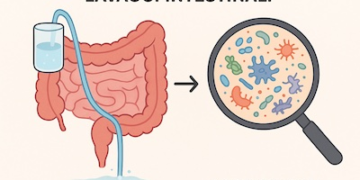
The laboratory plays a central role. In fact, only culture tests can reveal resistance: the lab grows the bacterium from a patient sample. For example:
• a urine culture with antibiogram identifies the bacterium behind a bladder infection and shows which antibiotics still work
• blood cultures look for bacteria in the blood when doctors suspect sepsis
• a stool culture and swabs, such as the strep throat swab, help separate bacterial from viral infections
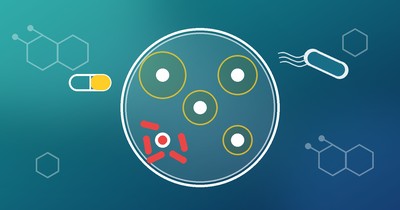
An antibiogram measures how sensitive the bacterium is to each antibiotic. As a result, it lets the doctor choose a targeted treatment instead of guessing. The ECDC therefore calls for stronger laboratories, with rapid tests that detect resistant bacteria and their resistance mechanisms.
Routine tests also help. A full blood count, with the white cell count, and inflammation markers help the doctor judge whether an infection is likely bacterial. However, they cannot replace a culture.
Who should pay attention
• Hospital patients, older adults and frail people, who face a higher risk of hospital infections
• People with recurrent urinary infections, often caused by Escherichia coli
• Parents: the 2026 ECDC campaign focuses on children. Community and outpatient care account for about 90% of antibiotic use, while many childhood illnesses (colds, coughs, sore throats) are viral
• Doctors and health workers, who need to focus on hand hygiene, patient isolation and appropriate prescribing
Limits of the data
• The figures mainly cover bloodstream infections, not all infections
• Surveillance systems differ between countries, so comparisons need caution
• The estimate of more than 35,000 deaths a year in Europe relies on 2020 data
• For Italy, some increases are not statistically significant over the whole period
In summary
• In Europe, bloodstream infections with carbapenem-resistant Klebsiella have risen 72% since 2019
• Italy has the highest EU rate of cephalosporin-resistant E. coli (24.61 cases per 100,000 people)
• MRSA is falling, which shows that the trend can change
• Cultures and antibiograms remain the key tools for choosing the right antibiotic
• People should take antibiotics only on prescription and only when they truly need them
Sources:
ECDC – Urgent action needed to safeguard the effectiveness of antibiotics (18 November 2026); ECDC – EARS-Net Annual Epidemiological Report 2025; Quotidiano Sanità; LaPresse
Laboratory tests:
Urinocoltura con antibiogramma, Coprocoltura, Tampone Streptococco beta emolitico, Emocromo, Esame delle urine
Diseases, symptoms and related pages:
Escherichia coli, Infezioni polimicrobiche, Polmonite bilaterale, Clostridium difficile, Streptococco killer






Discussion about this post