






































Men’s health: blood pressure, glucose, cholesterol and screening, the check-ups Italy’s Ministry of Health recommends
On 20 November 2026, during the month dedicated to men’s health, Italy’s Ministry of Health issued its recommendations for men: a healthy lifestyle, regular check-ups planned with the doctor, and participation in the free programmes offered by the national health service (SSN). The core message is simple: do not wait for symptoms before seeing a doctor.
Background: men get checked less often
November is international men’s health month (also known as Movember), and in Italy it includes the National Men’s Health Day, established by the Ministry and held on 11 November. Men tend to see a doctor later than women: according to the Nomisma Health Observatory for UniSalute, quoted during this month’s campaigns, only 48% of men say they have check-ups even when they feel well.
What the Ministry recommends
• Lifestyle: a balanced diet, a healthy body weight, no smoking, limited alcohol, regular physical activity and less sitting
• Heart and blood vessels: men have a higher cardiovascular risk than women, often at a younger age; blood pressure, heart rate and heart rhythm should be checked regularly
• Blood tests: keep an eye on the main metabolic markers, namely blood glucose, cholesterol and triglycerides
• General practitioner: the GP assesses individual risk and decides whether a cardiology visit is needed
• Prostate: a urology visit is recommended especially after age 50 or when there is a family history of prostate cancer
Two free tools offered by the national health service
• HPV vaccination: offered free of charge to boys as well as girls from age 11, ideally before sexual activity begins. Human papillomavirus is not only a women’s issue: in men it is linked to anal, oropharyngeal and genital cancers
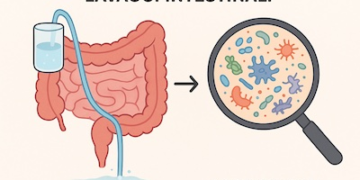
• Colorectal cancer screening: for men and women aged 50 to 69 (up to 74 in some regions), with a faecal occult blood test every two years and, if positive, a follow-up colonoscopy
What it means for laboratory testing
The Ministry’s recommendations do not introduce new tests, but they highlight the value of basic ones. A simple blood sample for glucose (possibly with glycated haemoglobin, HbA1c) and a lipid profile can detect diabetes and dyslipidaemia early; both are major risk factors for heart attack and stroke and often cause no symptoms for years.
On PSA, the Ministry does not recommend population screening: Italy still has no organised prostate cancer screening programme, and the decision to test should be made with the GP or urologist, weighing age, family history and the possible benefits and harms (false positives, overdiagnosis). We covered this in our article on the new US guidelines on PSA.
Who it concerns
• Boys and their families, for HPV vaccination
• Adults of all ages, for blood pressure, blood glucose and blood lipids
• Men aged 50 to 69-74, who receive an invitation to colorectal screening from their local health authority
• Anyone with a family history of prostate cancer or early cardiovascular disease
Limitations
• These are general public health recommendations, not a new study or new clinical guidelines
• The Ministry does not set a specific interval for blood tests: it should be decided case by case with the doctor
• The 48% figure comes from a survey based on self-reported behaviour, not on health records
• Screening schedules and age ranges may differ between Italian regions
In summary
• Italy’s Ministry of Health urges men not to wait for symptoms before taking care of prevention
• Blood pressure, glucose, cholesterol and triglycerides are the basic checks for cardiovascular risk
• HPV vaccination for boys and colorectal screening with the faecal occult blood test are free
• A urology visit is advised especially after 50 or with a family history; PSA testing is a decision to make with the doctor
Sources:
Italian Ministry of Health, recommendations for men’s health month (20 November 2026); Quotidiano Sanità; Il Farmacista Online; Ministry of Health – National Men’s Health Day; Campus Bio-Medico University Hospital (Nomisma-UniSalute data)
Laboratory tests:
Glicemia, Emoglobina glicata HbA1c, Colesterolo totale, Trigliceridi, Lipidogramma, Sangue occulto nelle feci, PSA totale
Diseases, symptoms and related pages:
Check-Up Completo Uomo, Check-Up Cuore, Check-Up Tumorale, Pressione arteriosa, Diabete mellito, Prostata, Papilloma virus, Cancro, Giornata mondiale del diabete 2026





Discussion about this post